Could You Pass a Memory Test Today? What’s Normal Aging and What’s Not?
Forgetting where you put your keys is normal. But what about forgetting an important appointment? Getting confused about how to use something you have used for years? Or repeatedly asking the same question without remembering that you already asked it?
As we get older, it can be difficult to know where “normal” age-related memory changes end and when something may deserve more attention.
The good news is that occasional forgetfulness does not automatically mean dementia or Alzheimer’s disease. Memory changes can happen as part of normal aging. What matters is understanding the difference and knowing when a change in memory, thinking, or behaviour should be discussed with a healthcare professional.
A Quick Memory and Everyday Living Checklist
Ask yourself:
- Do I occasionally forget names but remember them later?
- Do I sometimes misplace items but eventually find them?
- Can I manage my appointments using a calendar or reminders?
- Can I continue managing familiar daily tasks?
- Can I follow conversations and remember what was discussed?
- Can I safely manage my medications and usual routines?
- Can I find my way around familiar places?
If the answer is generally yes, occasional forgetfulness may simply be part of normal aging.
When Should You Pay Closer Attention?
Memory changes may deserve a conversation with a healthcare professional when they become more frequent or begin affecting daily life.
For example:
- Repeatedly asking the same question
- Frequently getting lost in familiar places
- Forgetting how to complete familiar tasks
- Missing medications regularly
- Struggling to manage bills or finances
- Experiencing significant changes in judgement or behaviour
These changes do not automatically mean dementia or Alzheimer’s disease. Memory and concentration can also be affected by factors such as poor sleep, stress, certain medications, depression, or other health concerns. The important thing is not to ignore a noticeable change.
When Should You Pay Closer Attention?
Memory changes may deserve a conversation with a healthcare professional when they become more frequent or begin affecting daily life.
For example:
- Repeatedly asking the same question
- Frequently getting lost in familiar places
- Forgetting how to complete familiar tasks
- Missing medications regularly
- Struggling to manage bills or finances
- Experiencing significant changes in judgement or behaviour
These changes do not automatically mean dementia or Alzheimer’s disease. Memory and concentration can also be affected by factors such as poor sleep, stress, certain medications, depression, or other health concerns. The important thing is not to ignore a noticeable change.
Has Your Memory Changed Enough To Affect The Way You Live?
There is a significant difference between forgetting where you put your glasses and forgetting what your glasses are used for. One is a normal moment of forgetfulness. The other may suggest a change that deserves further attention.
For older adults living independently, memory changes can sometimes create safety concerns. Someone may forget to take medication, leave an appliance on, become confused while away from home, or have difficulty knowing what to do during an emergency. That doesn’t mean independence has to end. It simply means having a safety plan becomes more important.
How a Medical Alert System Can Help
A medical alert system cannot diagnose or treat memory problems. However, it can provide an additional layer of protection for seniors who want to continue living independently.
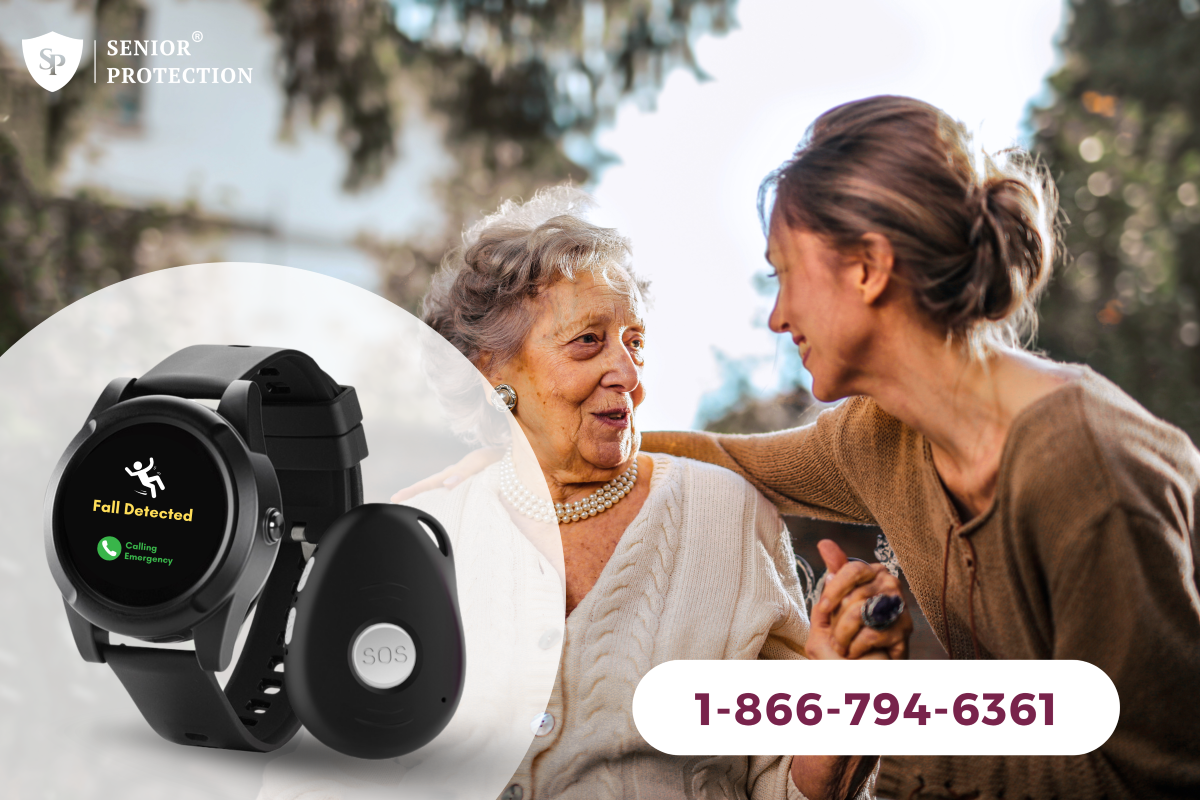
With a medical alert device, help can be available at the press of a button during an emergency. Depending on the device, features such as 24/7 monitoring, fall detection, GPS, and two-way communication can provide additional reassurance for both seniors and their families.
Stay Independent With Confidence
At Senior Protection, we believe that planning for safety is one of the best ways to protect your independence. Our medical alert systems help Canadian seniors stay connected to emergency assistance when they need it, whether they’re at home or on the go.
If you want peace of mind for yourself and the people who care about you, contact Senior Protection today at +1 (866) 416 0838 and find the medical alert solution that’s right for you.