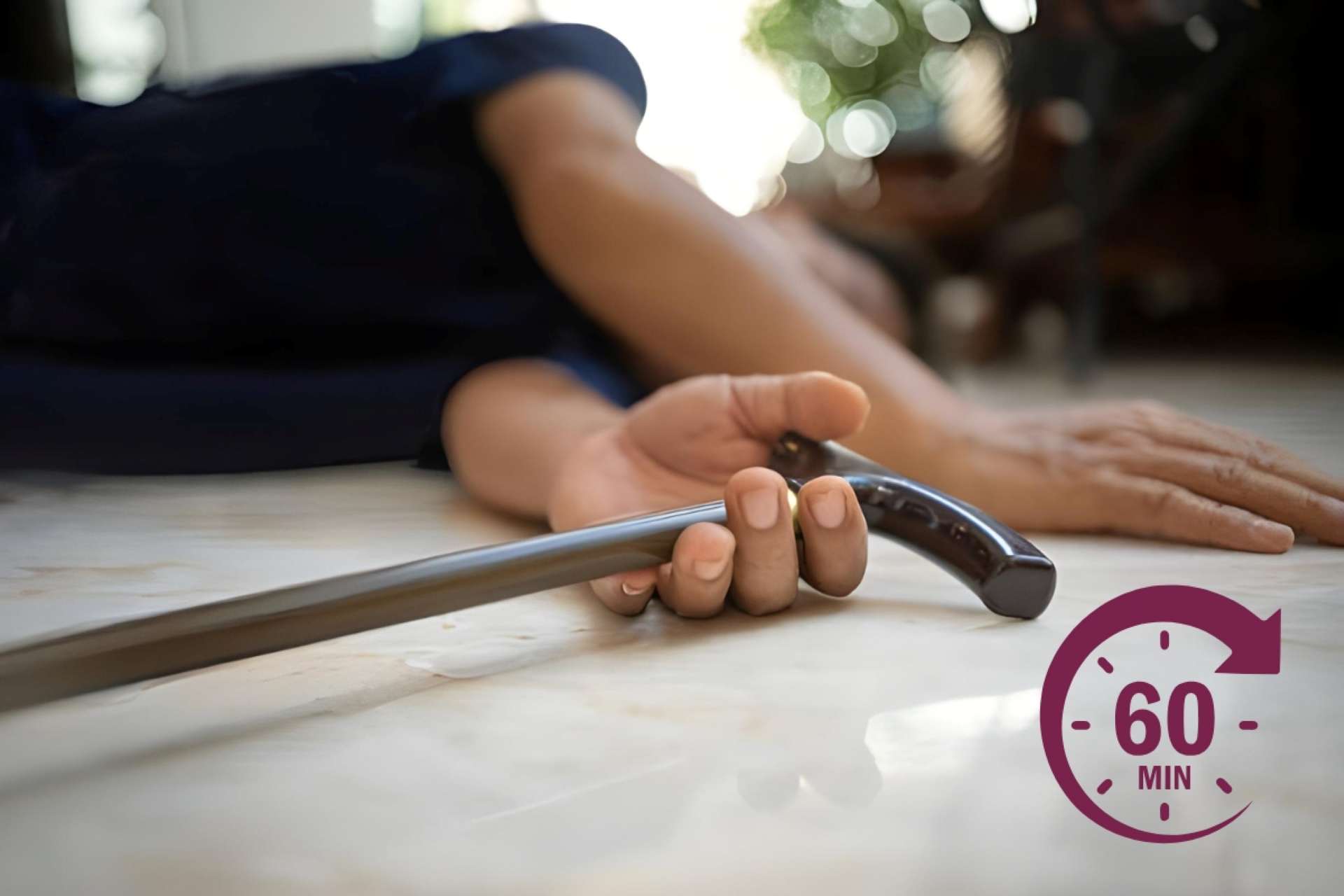
The “Long Lie”: Why Delayed Help After a Fall Is More Dangerous Than the Fall Itself
Falls are one of the leading causes of injury among older adults in Canada. Most families worry about broken hips or head injuries. Those are serious concerns. But there is another danger that does not get talked about enough.
It’s called the long lie. For seniors living alone, this risk is very real.
What Is The Long Lie?
A long lie happens when a senior falls and cannot get up, remaining on the floor for hours without help. In many cases, the fall itself is not immediately life-threatening.
What becomes dangerous is the time spent alone afterward, usually because the person:
- Cannot physically stand back up
- Is too weak or dizzy to move
- Cannot reach a phone
- Is unconscious or confused
Even a delay of 1-2 hours can significantly increase health complications. Overnight incidents are even more dangerous. When people search for terms like elderly fall recovery time or what happens if a senior falls and cannot get up, this is often what they are really asking about.anges often point to lower energy, mobility challenges, or difficulty staying organized. They are not emergencies, but they suggest daily life is becoming harder to manage alone.
Why Delayed Help After a Fall Is So Dangerous
The human body is not designed to remain on a hard surface for hours. For older adults, the risks increase quickly.
1. Dehydration
Older adults dehydrate faster than younger people. Without fluids, the body can experience:
- Confusion
- Low blood pressure
- Weakness
- Kidney stress
Dehydration alone can turn a minor fall into a hospital visit.
2. Hypothermia
In colder climates like Canada, indoor floors can lower body temperature quickly. Prolonged contact with a cold surface may lead to:
- Shivering
- Irregular heartbeat
- Increased cardiac strain
- Dangerous drops in body temperature
Hypothermia does not always feel dramatic at first. It can develop quietly.
3. Pressure Injuries and Muscle Breakdown
Remaining in one position restricts blood flow. Over time, this can cause:
- Pressure sores
- Tissue damage
- Muscle breakdown
Severe muscle breakdown can lead to kidney complications and extended hospitalization.
4. Increased Mortality Risk
Research shows that seniors who remain on the floor for extended periods are more likely to:
- Require hospital admission
- Experience longer recovery times
- Lose independence
- Face higher mortality rates
The severity of the fall matters. But the response time often matters more.
Why Many Seniors Cannot Get Up After a Fall
Getting up from the floor requires strength, balance, and coordination. Many older adults struggle with:
- Reduced muscle mass
- Joint pain or arthritis
- Blood pressure changes
- Medication side effects
- Fear of falling again
Even without a broken bone, the body may not cooperate. And if no one is nearby, the situation can escalate quickly.
How a Medical Alert System Prevents the Long Lie
The key to preventing the long lie is simple. Reduce response time.
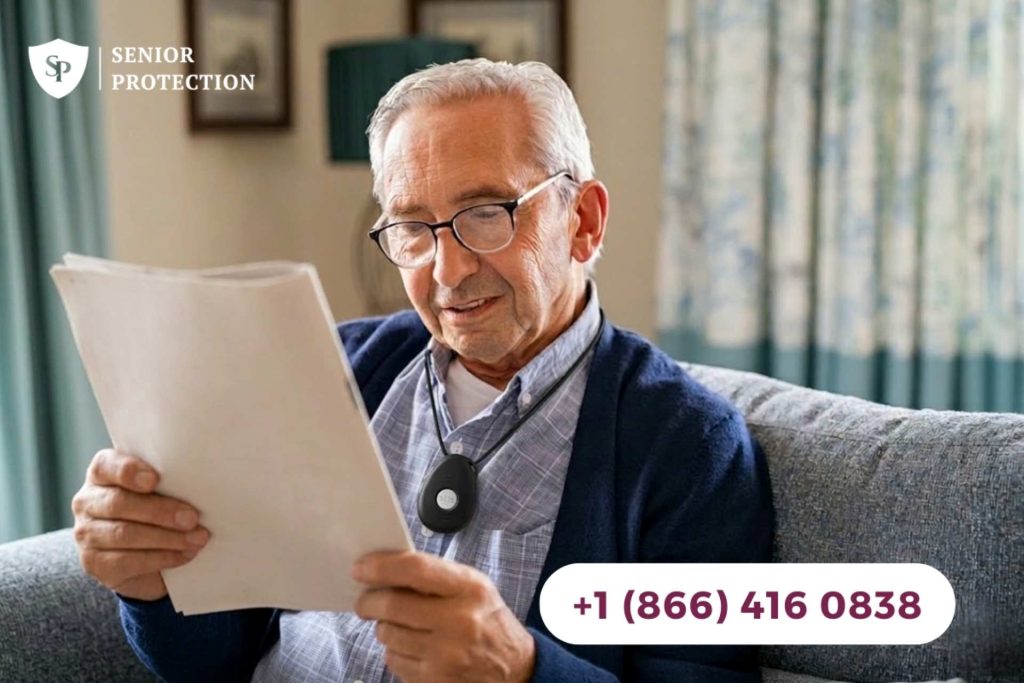
A medical alert system for seniors ensures that help is available immediately. Modern systems can include:
- Automatic fall detection
- 24-hour professional monitoring
- Two-way voice communication
- Direct connection to emergency services
- Alerts to family members
Instead of waiting hours, help can arrive within minutes. For families searching for the best medical alert system in Canada or a fall detection device for seniors, the real benefit is not just convenience. It is protection against a delayed response.
Aging at Home Safely
Most seniors want to age in place. Living at home supports independence, confidence, and quality of life. But independence should not mean vulnerability.
If a fall happens, the difference between five minutes and five hours can determine:
- Whether hospitalization is required
- Whether recovery is quick or prolonged
- Whether independence is maintained
At Senior Protection, the goal is not to create fear. It is to create preparedness. Because the most dangerous part of a fall is often not the impact. It is the time spent waiting for help. Call us today at +1 (866) 416 0838 for more information.